Get involved!
Help us expand the Workers Control Archive!
If you think you have some interesting text or content is missing:
Get in contact ›››
Recommended articles
 An examination of the worker cooperative as an example of a labour commons. The authors suggest that the radical potential of co-ops can be extended by connecting with other commons struggles.
|
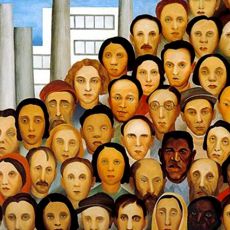 Brazilian teacher Henrique T. Novaes looks at advantages and limitations of the Latin American practice of workers trying to overcome capitalist work relations through the control of their workplaces.
|
 This controversy illustrates the difference between the defeated world of ideology and the vibrant and outward-looking world of action that strives to disengage from the dominant relations.
|
 Castoriadis stresses his agreement with Pannekoek on the issue of the 'autonomy of the working class' and expresses his disagreement over the role of the revolutionary party.
|
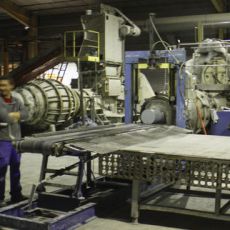 Certain changes to the cooperative form could permit the creation of enterprises that would not belong to anyone specifically but would be at the disposal of its users, workers and clients alike.
|