
Get involved!
Help us expand the Workers Control Archive!
If you think you have some interesting text or content is missing:
Get in contact ›››
Recommended articles
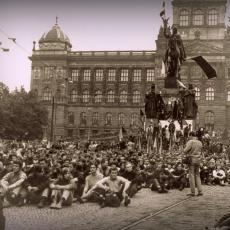 Robert Vitak
|
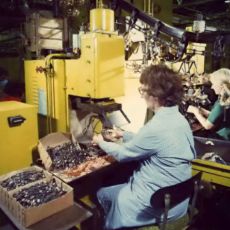 Thirty-eight years ago, a movement for ‘socially useful production’ pioneered practical approaches for more democratic technology development.
|
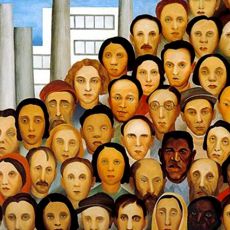 Brazilian teacher Henrique T. Novaes looks at advantages and limitations of the Latin American practice of workers trying to overcome capitalist work relations through the control of their workplaces.
|
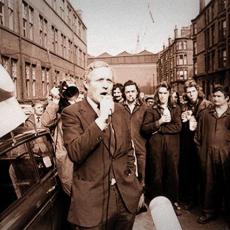 Britain in the 1970s was a period of crisis and polarisation. Workplace closure led to resistance by workers, which defined the relations between capital and labour for subsequent decades.
|
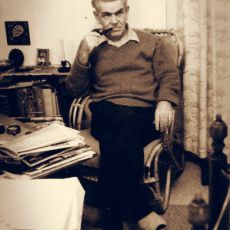 "The difference between councils and trade unions is that, while the latter lose their functions in a decaying capitalism, the former become a prefiguration of the organisation of socialist society."
|