Get involved!
Help us expand the Workers Control Archive!
If you think you have some interesting text or content is missing:
Get in contact ›››
Recommended articles
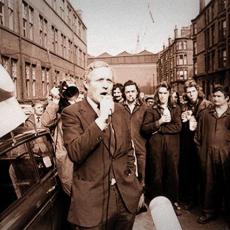 Britain in the 1970s was a period of crisis and polarisation. Workplace closure led to resistance by workers, which defined the relations between capital and labour for subsequent decades.
|
 At the 'Journalists’ Newspaper', set up after 'Eleftherotypia' went bankrupt, all 150 media workers are paid the same, the editor works for free and circulation is soaring.
|
 An interview with members of a structure that provides solidarity financing for cooperatives and worker-run workplaces, to show the possibility of building a new economy.
|
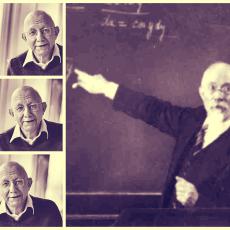 The two theorists, following different trajectories, reached a common conclusion: that the real content of socialism is the complete control of labour by the workers themselves.
|
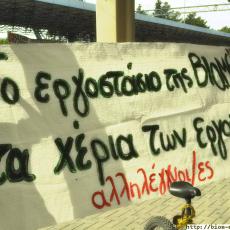 This controversy illustrates the difference between the defeated world of ideology and the vibrant and outward-looking world of action that strives to disengage from the dominant relations.
|