
Get involved!
Help us expand the Workers Control Archive!
If you think you have some interesting text or content is missing:
Get in contact ›››
Recommended articles
 Robert Vitak
|
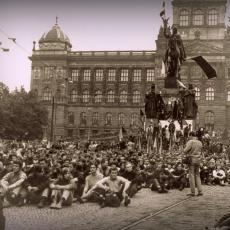
 Workers’ self-management is associated with times of social transformation. The state may chose to either restrict self-management or facilitate it so the conflict is institutionalised and contained.
|
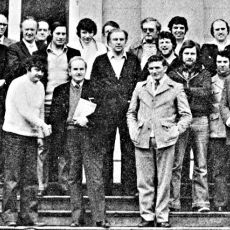 Hilary Wainwright reflects on an attempt by British workers to produce a democratically determined alternative plan for their industry.
|
 An interview with members of a structure that provides solidarity financing for cooperatives and worker-run workplaces, to show the possibility of building a new economy.
|
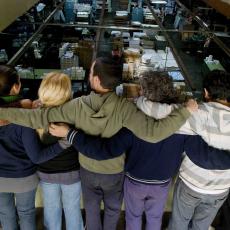 An essay that sketches out the most common microeconomic and organizational challenges that Argentina's recuperated workplaces face and maps out the “social innovations” being spearheaded by them.
|