Get involved!
Help us expand the Workers Control Archive!
If you think you have some interesting text or content is missing:
Get in contact ›››
Recommended articles
 Workers' management is not just a new administrative technique: it means that for the mass of people, new relations will have to develop with their work, the very content of work will have to alter.
|
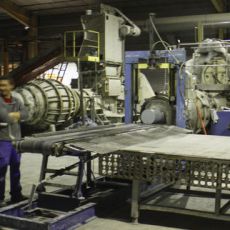 Certain changes to the cooperative form could permit the creation of enterprises that would not belong to anyone specifically but would be at the disposal of its users, workers and clients alike.
|
 Imagine that the algorithmic heart of the "Sharing Economy" could be cloned and brought back to life under a different model of ownership and work conditions, as a humane alternative to the market.
|
 A historical overview of the rise and decline of the farmers' cooperative movement in Greece, as well as some early examples of worker-occupied businesses before the turn of the century.
|
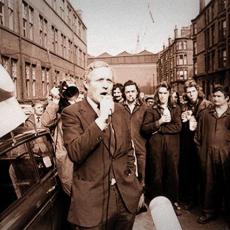 Britain in the 1970s was a period of crisis and polarisation. Workplace closure led to resistance by workers, which defined the relations between capital and labour for subsequent decades.
|