Get involved!
Help us expand the Workers Control Archive!
If you think you have some interesting text or content is missing:
Get in contact ›››
Recommended articles
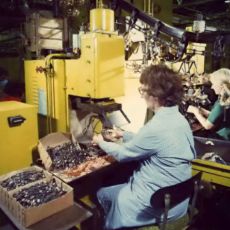 Thirty-eight years ago, a movement for ‘socially useful production’ pioneered practical approaches for more democratic technology development.
|
 An interview with members of a structure that provides solidarity financing for cooperatives and worker-run workplaces, to show the possibility of building a new economy.
|
 Workers' management is not just a new administrative technique: it means that for the mass of people, new relations will have to develop with their work, the very content of work will have to alter.
|
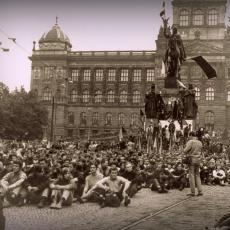 Robert Vitak
|
 A historical overview of the rise and decline of the farmers' cooperative movement in Greece, as well as some early examples of worker-occupied businesses before the turn of the century.
|
- 1 of 6
- ››