Get involved!
Help us expand the Workers Control Archive!
If you think you have some interesting text or content is missing:
Get in contact ›››
Recommended articles
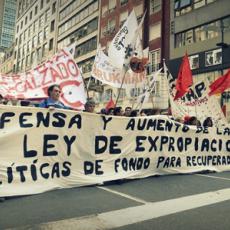 In Argentina, the government attempted to ‘institutionalise’ the occupied factories, de- politicising the radical aspects of workers’ actions in exchange for financial and technical assistance.
|
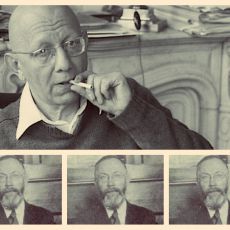 Castoriadis stresses his agreement with Pannekoek on the issue of the 'autonomy of the working class' and expresses his disagreement over the role of the revolutionary party.
|
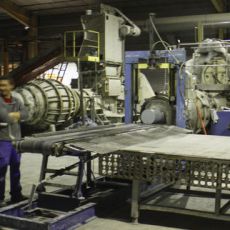 Certain changes to the cooperative form could permit the creation of enterprises that would not belong to anyone specifically but would be at the disposal of its users, workers and clients alike.
|
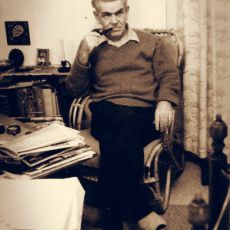 "The difference between councils and trade unions is that, while the latter lose their functions in a decaying capitalism, the former become a prefiguration of the organisation of socialist society."
|
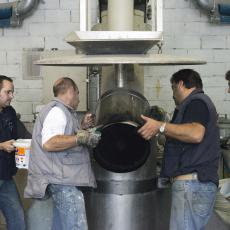 Against the imminent threat of liquidation, the workers of VIOME appeal for international solidarity.
|