Get involved!
Help us expand the Workers Control Archive!
If you think you have some interesting text or content is missing:
Get in contact ›››
Recommended articles
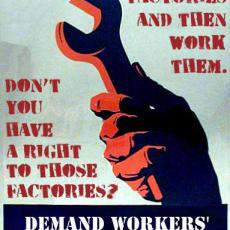 In regard to workplace occupations, the decision relates to workers’ assessments of their situation and their expectations about whether this will bring useful leverage.
|
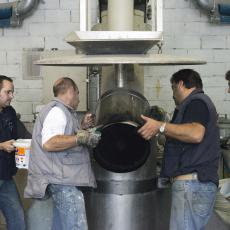 Against the imminent threat of liquidation, the workers of VIOME appeal for international solidarity.
|
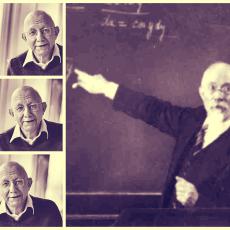 The two theorists, following different trajectories, reached a common conclusion: that the real content of socialism is the complete control of labour by the workers themselves.
|
 Human alienation will disappear through the withering away of commodity production and social division of labour, through the disappearance of private ownership of the means of production.
|
 "The difference between councils and trade unions is that, while the latter lose their functions in a decaying capitalism, the former become a prefiguration of the organisation of socialist society."
|
- 1 of 6
- ››