Get involved!
Help us expand the Workers Control Archive!
If you think you have some interesting text or content is missing:
Get in contact ›››
Recommended articles
 Brazilian teacher Henrique T. Novaes looks at advantages and limitations of the Latin American practice of workers trying to overcome capitalist work relations through the control of their workplaces.
|
 Human alienation will disappear through the withering away of commodity production and social division of labour, through the disappearance of private ownership of the means of production.
|
 Certain changes to the cooperative form could permit the creation of enterprises that would not belong to anyone specifically but would be at the disposal of its users, workers and clients alike.
|
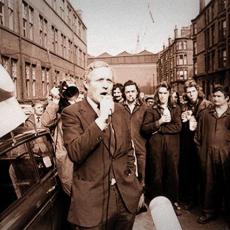 Britain in the 1970s was a period of crisis and polarisation. Workplace closure led to resistance by workers, which defined the relations between capital and labour for subsequent decades.
|
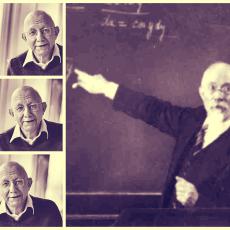 The two theorists, following different trajectories, reached a common conclusion: that the real content of socialism is the complete control of labour by the workers themselves.
|