Get involved!
Help us expand the Workers Control Archive!
If you think you have some interesting text or content is missing:
Get in contact ›››
Recommended articles
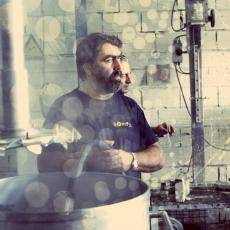 When a factory in Thessaloniki was abandoned by its owners in May 2011, the workers decided to occupy it and resume production under workers’ control.
|
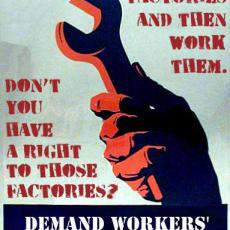 In regard to workplace occupations, the decision relates to workers’ assessments of their situation and their expectations about whether this will bring useful leverage.
|
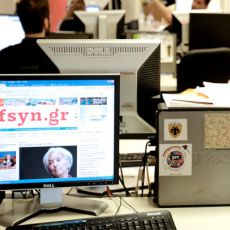 At the 'Journalists’ Newspaper', set up after 'Eleftherotypia' went bankrupt, all 150 media workers are paid the same, the editor works for free and circulation is soaring.
|
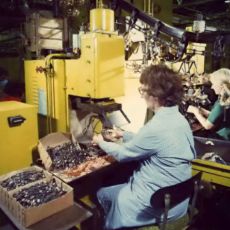 Thirty-eight years ago, a movement for ‘socially useful production’ pioneered practical approaches for more democratic technology development.
|
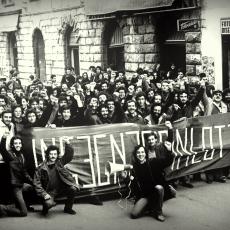 These theses written in the context of the 1970s 'autonomia operaia' in Italy intend to initiate a debate on workers’ control of the factories as a 'democratic and peaceful' road to socialism.
|