
Get involved!
Help us expand the Workers Control Archive!
If you think you have some interesting text or content is missing:
Get in contact ›››
Recommended articles
 An article that analyses how far Argentina’s worker-recovered companies have become sustainable production models whilst maintaining their values of equity and workers’ self-management.
|
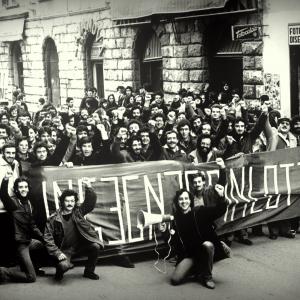
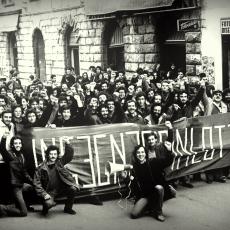 These theses written in the context of the 1970s 'autonomia operaia' in Italy intend to initiate a debate on workers’ control of the factories as a 'democratic and peaceful' road to socialism.
|
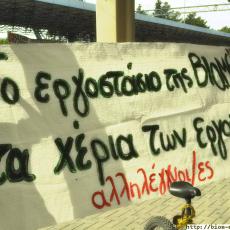 This controversy illustrates the difference between the defeated world of ideology and the vibrant and outward-looking world of action that strives to disengage from the dominant relations.
|
 An interview with members of a structure that provides solidarity financing for cooperatives and worker-run workplaces, to show the possibility of building a new economy.
|
 A historical overview of the rise and decline of the farmers' cooperative movement in Greece, as well as some early examples of worker-occupied businesses before the turn of the century.
|