

Get involved!
Help us expand the Workers Control Archive!
If you think you have some interesting text or content is missing:
Get in contact ›››
Recommended articles
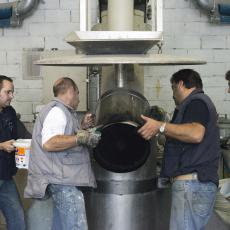 Against the imminent threat of liquidation, the workers of VIOME appeal for international solidarity.
|
 Workers’ self-management is associated with times of social transformation. The state may chose to either restrict self-management or facilitate it so the conflict is institutionalised and contained.
|
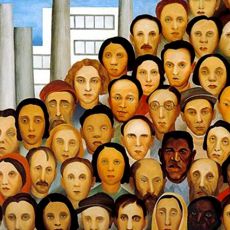 Brazilian teacher Henrique T. Novaes looks at advantages and limitations of the Latin American practice of workers trying to overcome capitalist work relations through the control of their workplaces.
|
 When a factory in Thessaloniki was abandoned by its owners in May 2011, the workers decided to occupy it and resume production under workers’ control.
|
 The economic crisis that began in 2008 has put workers’ control and workplace democracy back on the agenda in the countries of the northern hemisphere.
|