
Get involved!
Help us expand the Workers Control Archive!
If you think you have some interesting text or content is missing:
Get in contact ›››
Recommended articles
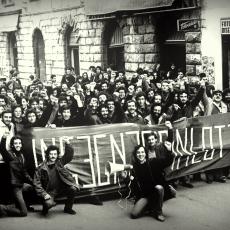 These theses written in the context of the 1970s 'autonomia operaia' in Italy intend to initiate a debate on workers’ control of the factories as a 'democratic and peaceful' road to socialism.
|
 The economic crisis that began in 2008 has put workers’ control and workplace democracy back on the agenda in the countries of the northern hemisphere.
|
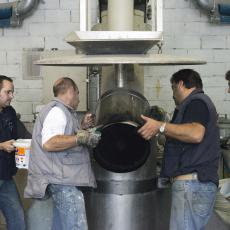 Against the imminent threat of liquidation, the workers of VIOME appeal for international solidarity.
|
 Workers' management is not just a new administrative technique: it means that for the mass of people, new relations will have to develop with their work, the very content of work will have to alter.
|
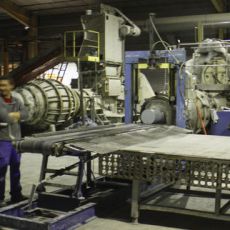 Certain changes to the cooperative form could permit the creation of enterprises that would not belong to anyone specifically but would be at the disposal of its users, workers and clients alike.
|