

Get involved!
Help us expand the Workers Control Archive!
If you think you have some interesting text or content is missing:
Get in contact ›››
Recommended articles
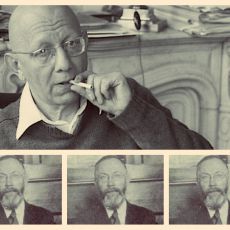 Castoriadis stresses his agreement with Pannekoek on the issue of the 'autonomy of the working class' and expresses his disagreement over the role of the revolutionary party.
|
 An interview with members of a structure that provides solidarity financing for cooperatives and worker-run workplaces, to show the possibility of building a new economy.
|
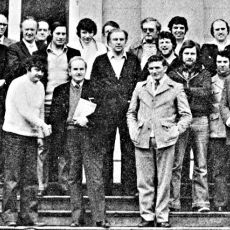 Hilary Wainwright reflects on an attempt by British workers to produce a democratically determined alternative plan for their industry.
|
 Imagine that the algorithmic heart of the "Sharing Economy" could be cloned and brought back to life under a different model of ownership and work conditions, as a humane alternative to the market.
|
 Some currents argue that the experience of small-scale self-management under capitalism is useful preparation. However, self-management is impossible without real socialist democracy.
|