Array
-
Spanish15/08/11Contribución a la crítica de la tecnocracia en las empresas básicas
En la actual coyuntura que vive la revolución venezolana se viene generando un clima de debate y reflexión en torno al socialismo, proceso éste donde se comienza a presentar las diversas concepciones, teorías, experiencias, sueños y esperanzas, en torno al cambio revolucionario.
Se trata de un debate inconcluso en el seno de los revolucionarios no sólo en Venezuela sino en todo el mundo, el cual ha cobrado fuerza en diversos momentos y ha producido montones de artículos, textos, sin dejar de dejar de señalar la ola de sanciones, expulsiones, excomuniones y otros expedientes propios de la burocracia partidista que silenció cualquier discrepancia con el dogma oficial del momento. Esto es harto conocido y puede rastrearse documentalmente en las historias de las Internacionales Comunistas o trotskistas, y en los diversos agrupamiento consulares en los que se dividió la izquierda mundialmente
Publicado: Abril de 2007
GeographicalΝαιΝαιNoΌχι -
Spanish15/08/11
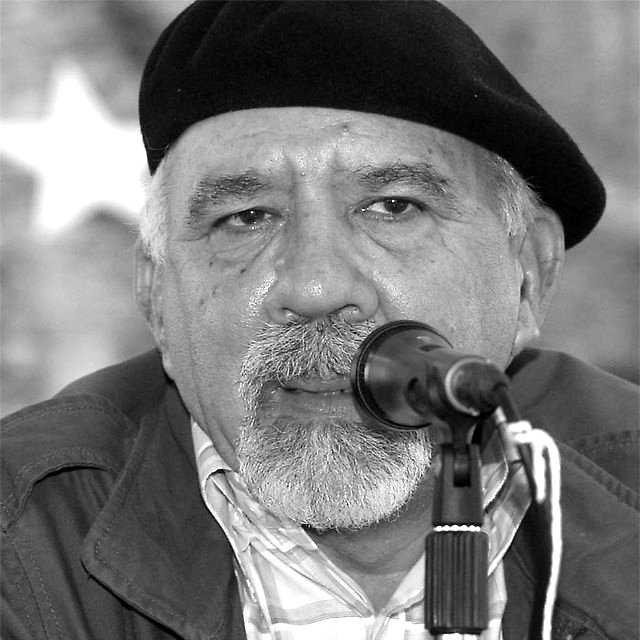
Carlos Lanz Rodríguez (*1944)
Archivo de textos de Carlos Lanz en aporrea.org
http://www.aporrea.org/autores/lanz/TheoristsΌχιΝαιNoΝαι -
Spanish15/08/11
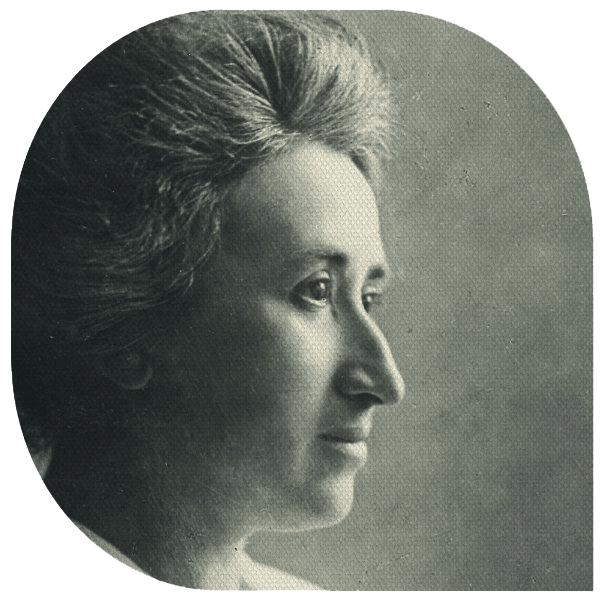
Rosa Luxemburgo (1871–1919)
Promotora de la huelga general como arma de combate clasista, opositora sin tregua a la I Guerra Mundial y crítica de Lenin y los bolcheviques. Separose del Social-Democracia alemana para fundar la Liga Espartaquista y luego el Partido Comunista alemán.
Archivo Rosa Luxemburgo en Marxists’ Internet Archives
http://www.marxists.org/espanol/luxem/index.htmTheoristsΌχιΝαιNoΝαι -
German15/08/11
Rosa Luxemburg (1871–1919)
Archiv Rosa Luxemburg auf Deutsch im Marxists’ Internet Archives
http://www.marxists.org/deutsch/archiv/luxemburg/index.htmTheoristsΌχιΝαιNoΝαι -
English15/08/111871–1919
Born on March 5th, 1871, Rosa Luxemburg, a Polish Jew and participant in the Russian Revolution of 1905, was a co-founder of the Social Democratic Party in the joint Kingdom of Poland and Lithuania.
Next to Karl Liebknecht, Rosa Luxemburg was the most important representative of the left-wing socialist, anti-militarist, and internationalist positions in the Social Democratic Party (SPD) of Germany before 1918. She was a passionate and convincing critic of capitalism as well as anti-democratic and dictatorial tendencies within the Bolsheviki. She confronted the compelling logic of economic laws and political strategies with the utopia of a new world. According to Luxemburg, this new world needed to be created in spite of widespread despair, deprivation of rights, cowardliness and the corruption of power.
Rosa Luxemburg was a leading theorist of the SPD's left wing. She played a crucial role in the formation of the Spartacus League, the Independent Social-Democratic Party (USPD) and the Communist Party of Germany (KPD). Her fate cannot be separated from the German labor movement. Irreconcilable differences between the evolving different streams of the labor movement lead to reconcurrent confrontations between their respective supporters and in the end to a collapsed labor unity.
On January 15th, 1919, Rosa Luxemburg, Karl Liebknecht, and Wilhelm Pieck; the leaders of the German Communist Party, were arrested and taken in for questioning at the Adlon Hotel in Berlin. German soldiers escorted Luxemburg and Liebknecht out of the building, knocking them unconscious with rifle butts. Pieck managed to escape, while the unconscious bodies of Luxemburg and Liebknecht were quietly driven away in a German military jeep. They were shot and thrown into a river by the same circles of militarist Freikorps (Volunteer Corps) that later openly supported the National Socialists' seizure of power.
Impressively, Rosa Luxemburg combined political commitment, scientific analysis, and the quest for empowerment as a woman. She saw herself as being in conflict, fighting both on a scientific and political level while her daily life presented the essential foundation. Throughout all her actions, she never shunned tenderness and sensibility.
Rosa Luxemburg archive in English in the Marxist’s Internet Archives:
http://www.marxists.org/archive/luxemburg/index.htmTheoristsΌχιΝαιNoΝαι -
Spanish15/08/11
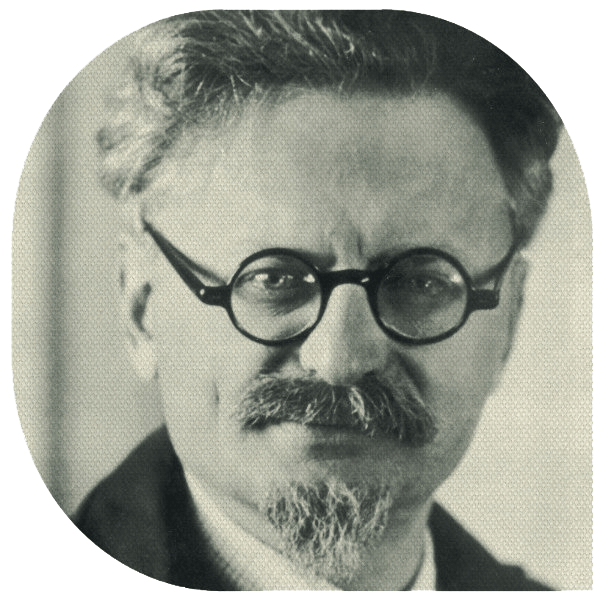
León Trotsky (1879-1940)
Primero cercano a los mencheviques y luego bolchevique. Como Comisario de Guerra dirigió al Ejército Rojo a la victoria en la Guerra Civil rusa y sobre la invasión imperialista a la Rusia soviética. Ayudó a crear y luego dirigió la Oposición de Izquierda a Stalin. Desarrolló la teoría de la Revolución Permanente y fundó la IV Internacional.
Archivo León Trotsky en Marxists’ Internet Archives
http://www.marxists.org/espanol/trotsky/index.htmTheoristsΌχιΝαιNoΝαι -
German15/08/11
Leo Trotzki (1879-1940)
Archiv Leo Trotzki auf Deutsch im Marxists’ Internet Archives
http://www.marxists.org/deutsch/archiv/trotzki/index.htmTheoristsΌχιΝαιNoΝαι -
English15/08/111879-1940
Lev Davidovich Bronstein. Leader, with V.I. Lenin, of the Russian Revolution. Architect of the Red Army. Soviet Commissar of Foreign Affairs 1917-1918 and Commissar of Military and Naval Affairs 1918-1924. In 1929, expelled from the Communist Party by the Stalinist faction of the Party and then deported from the USSR. In 1938 he helped found the Fourth International, the World Party of Socialist Revolution. In 1940, murdered by a Stalinist assassin at his home in exile, in Mexico.
Leon Trotsky archive in English in the Marxist’s Internet Archives
http://www.marxists.org/archive/trotsky/works/index.htmTheoristsΌχιΝαιNoΝαι -
Spanish15/08/11
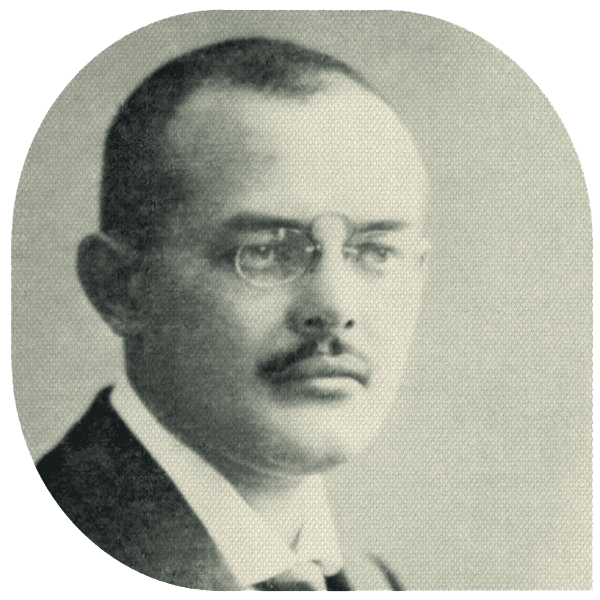
Otto Rühle (1874-1943)
Comunista de izquierda alemán. Se unió al Partido Socialdemocrata alemán en 1900 y fue miembro del Grupo Espartaquista hasta 1917. Sirvió de presidente del Consejo Obrero de Dresden y de delegado a la fundación del Partido Comunista Alemán.
Archivo Otto Rühle en Marxists’ Internet Archives
http://www.marxists.org/espanol/ruhle/index.htmTheoristsΌχιΝαιNoΝαι -
German15/08/11
Otto Rühle (1874-1943)
Otto Rühle begann seine politische Laufbahn als sozialdemokratischer Wanderlehrer, bevor er 1912 erstmals in den Reichstag gewählt wurde. Dort entzog er sich 1914 der Abstimmung zu den Kriegskrediten zur Finanzierung des ersten Weltkrieges und gehörte bald gemeinsam mit Karl Liebknecht zu den ersten offenen Gegnern des Kriegskurses der Sozialdemokratie.
Während des Ersten Weltkrieges beteiligte sich Rühle an der Bildung des Spartakusbundes und im Dezember 1918 gehörte er zu den Gründern der KPD, aus der er jedoch schon im folgenden Jahr bei einer Linksabspaltung ausgeschlossen wurde. Rühle gründete 1919 mit Gesinnungsgenossen die linkskommunistische KAPD, wurde jedoch Oktober 1920 auch hier ausgeschlossen. Zwischen 1921 und 1925 gehörte er der syndikalistischen "Allgemeine Arbeiter-Union – Einheitsorganisation" (AAUE) an. Otto Rühle löste sich um 1925 vom Rätekommunismus und näherte sich eher dem Anarchismus. Von 1925 bis zum Ende der Weimarer Republik wirkte Rühle als Bildungsreferent der Gemeinschaft proletarischer Freidenker.
Im Sommer 1932 siedelte Rühle nach Prag über, 1935 dann nach Mexiko. 1937 wirkte er in einer Kommission, die die im Moskauer Schauprozess gegen Leo Trotzki erhobenen Vorwürfe überprüfte. Rühle starb am 24. Juni 1943 im Alter von 68 Jahren.Texte von Otto Rühle im Marxists’ Internet Archive:
http://www.marxists.org/deutsch/archiv/ruehle/index.htmTheoristsΌχιΝαιNoΝαι



Συνεισφέρετε!
Συνιστώμενα άρθρα
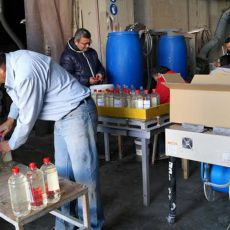 Οι αυτοδιαχειριζόμενες συνεταιριστικές επιχειρήσεις στήθηκαν από ομάδες ανθρώπων που προσπαθούν να αντικαταστήσουν την ατομικότητα και την συσώρρευση κέρδους με τη συλλογικότητα και την αλληλεγγύη.
|
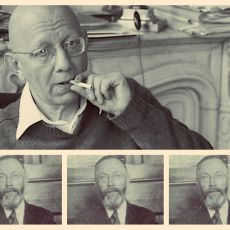 Ο Καστοριάδης τονίζει την ταύτιση του με τον Πάννεκουκ στο ζήτημα της 'αυτονομίας των εργατών' και εκφράζει την διαφωνία του όσον αφορά το ρόλο του επαναστατικού κόμματος.
|
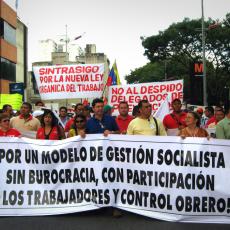 Η εμπειρία της Βενεζουέλας αποτελεί ένα πολύτιμο δίδαγμα για τον τρόπο που οι εθνικοποιήσεις μαζί με το κίνημα για τον εργατικό έλεγχο έχουν επιδράσει στις κοινωνικές και πολιτικές διεργασίες.
|
 Μια ιστορική αναδρομή της ανόδου και της παρακμής του συνεταιριστικού κινήματος στην Ελλάδα, καθώς και των πρώιμων παραδειγμάτων εργατικής ανάκτησης επιχειρήσεων πριν την αλλαγή του αιώνα.
|
 Η πολεμική αυτή καταδεικνύει τη διαφορά ανάμεσα στον ασθμαίνοντα κόσμο της ιδεολογίας, από τη μια, και τον ζωντανό κόσμο της πράξης που παλεύει εδώ και τώρα για αυτοκαθορισμό, από την άλλη.
|
- 1 of 2
- ››