
Get involved!
Help us expand the Workers Control Archive!
If you think you have some interesting text or content is missing:
Get in contact ›››
Recommended articles
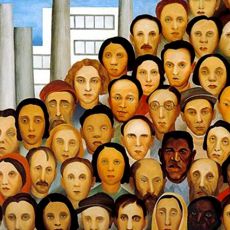 Brazilian teacher Henrique T. Novaes looks at advantages and limitations of the Latin American practice of workers trying to overcome capitalist work relations through the control of their workplaces.
|
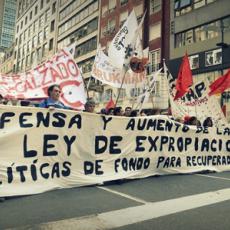 In Argentina, the government attempted to ‘institutionalise’ the occupied factories, de- politicising the radical aspects of workers’ actions in exchange for financial and technical assistance.
|
 The economic crisis that began in 2008 has put workers’ control and workplace democracy back on the agenda in the countries of the northern hemisphere.
|
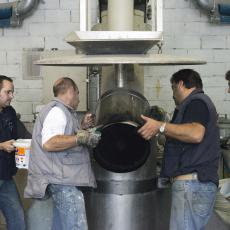 Against the imminent threat of liquidation, the workers of VIOME appeal for international solidarity.
|
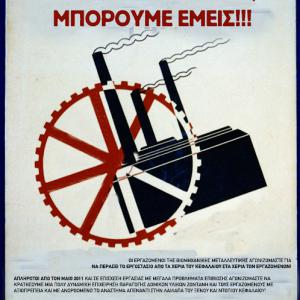
 Dismantling the myth that the council communist tradition actually advocated a self-managed capitalist economy, rather than a truly communist one.
|