

Get involved!
Help us expand the Workers Control Archive!
If you think you have some interesting text or content is missing:
Get in contact ›››
Recommended articles
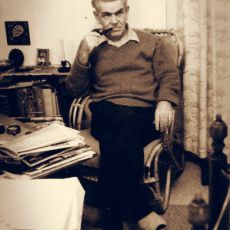 "The difference between councils and trade unions is that, while the latter lose their functions in a decaying capitalism, the former become a prefiguration of the organisation of socialist society."
|
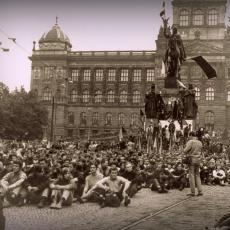 Robert Vitak
|
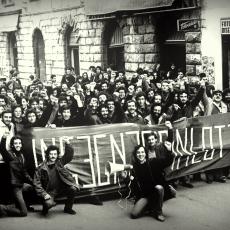 These theses written in the context of the 1970s 'autonomia operaia' in Italy intend to initiate a debate on workers’ control of the factories as a 'democratic and peaceful' road to socialism.
|
 At the 'Journalists’ Newspaper', set up after 'Eleftherotypia' went bankrupt, all 150 media workers are paid the same, the editor works for free and circulation is soaring.
|
 Workers' management is not just a new administrative technique: it means that for the mass of people, new relations will have to develop with their work, the very content of work will have to alter.
|
- 1 of 6
- ››